
Genetic Hair Loss and the DHT Hormone: Why Does Hair Fall Out?
While hair loss may seem like just a part of aging for many people, the biological reality is much more complex. The real culprit behind male pattern baldness (Androgenetic Alopecia) is a hormone naturally found in our bodies called DHT (Dihydrotestosterone). So, what exactly does this hormone do to our hair?
1. What is the DHT Hormone?
DHT is a derivative of the hormone testosterone. An enzyme in the body called 5-alpha reductase converts testosterone into DHT. While this hormone is important for normal body development, it is the primary trigger for hair loss in individuals with genetically sensitive hair follicles.
2. Miniaturization: The Process of Hair "Shrinking"
The DHT hormone binds to receptors in the hair follicles and prevents them from being nourished. In biology, this process is called miniaturization.
Narrowing Channels: DHT gradually narrows and shrinks the hair follicles.
Shortened Growth Phase: The hair growth cycle (anagen phase) shortens. Hair begins to grow thinner, shorter, and weaker.
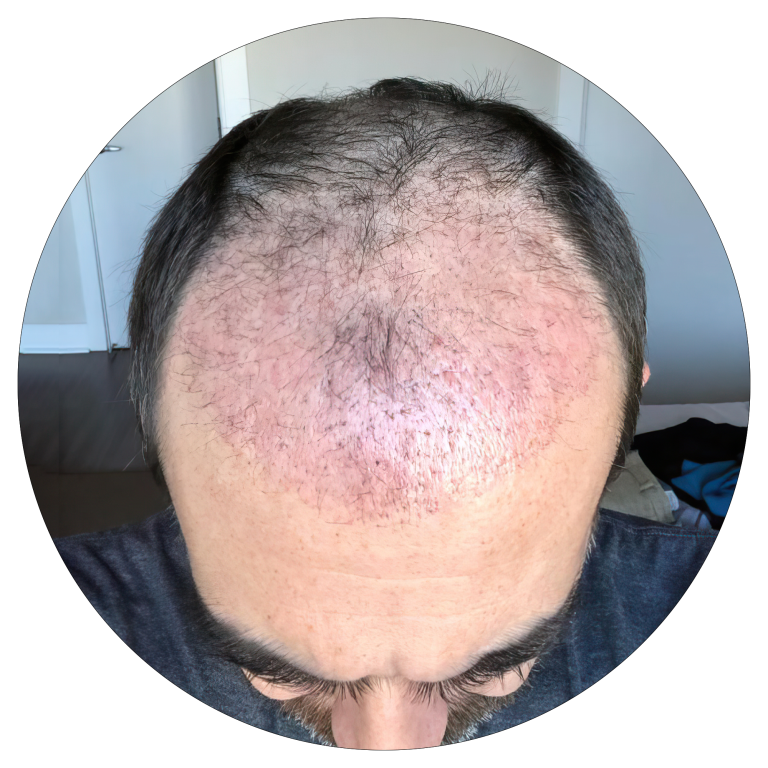
Permanent Loss: In the final stage, the hair follicle becomes so small that it can no longer reach the skin’s surface, leading to permanent baldness.
3. Why Does Only the Top Area Fall Out?
A question many people wonder is: “Why doesn’t the hair on the sides and back fall out?” The answer is hidden in our genetic codes. The hair follicles at the back and sides of the head are genetically resistant to the DHT hormone. This is where the success of a hair transplant comes from; the “resistant” follicles taken from this area continue to resist falling out even after they are transplanted to the thinning areas.
4. Genetic Heritage and Lifestyle
If there is hair loss in your family (on either the mother’s or father’s side), there is a higher probability that your 5-alpha reductase enzyme is more active. However, it’s not just genetics; stress, poor nutrition, and hormonal imbalances can also accelerate the effects of DHT.
5. Combatting DHT and Solution Paths
While it is difficult to completely stop genetic hair loss, it is possible to slow down the process and regain the lost area:
PRP and Mesotherapy: Reduces the pressure of DHT by nourishing the roots.
Hair Transplant: Provides a permanent and natural solution by transferring DHT-resistant follicles.
Conclusion: Scientific Approach, Permanent Solution
Knowing the biological cause of hair loss is the first step in choosing the right treatment method. At AdonisMed, we analyze your hair loss type and provide permanent solutions with modern techniques tailored to your genetic codes.