
How to Design a Natural Hairline? Secrets of "Natural Appearance" in Hair Transplantation
The biggest fear of those considering a hair transplant is that the hair will “look like it’s
been transplanted” from the outside. However, the signature of a successful operation is
that no one realizes you had a hair transplant. So, how is natural hairline design done?
Which criteria should be considered for an aesthetic appearance?
In this article, we detail the golden rules and modern techniques that determine
naturalness in hair transplantation.
Why Is the Hairline So Important?
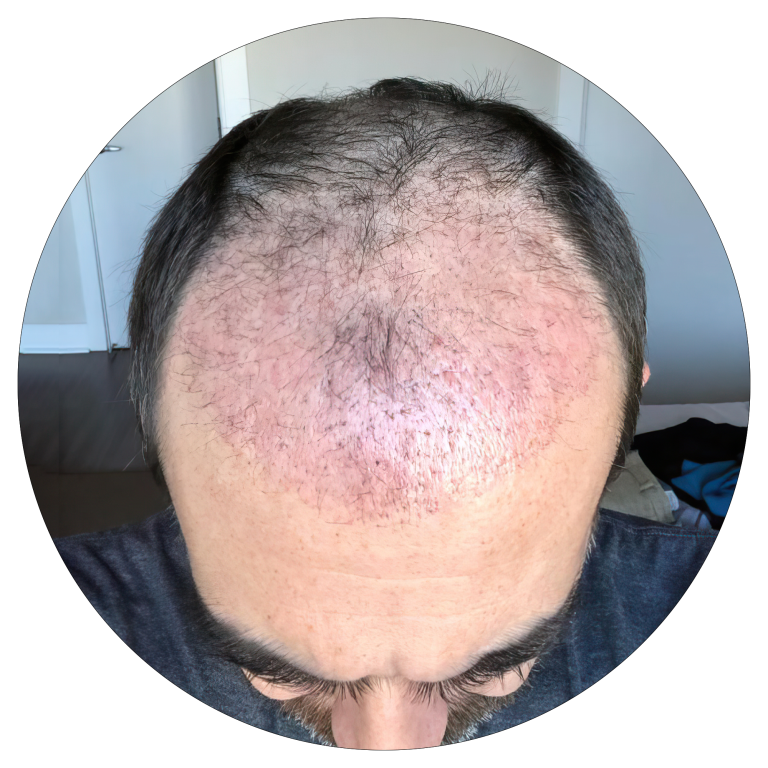
The front hairline is the frame of your face. An incorrectly designed, too low, or straight
line like it was drawn with a ruler causes an artificial appearance, popularly known as
the “grass man” (pluggy look). Personalized hairline design must perfectly match the
person’s facial features, age, and head structure.
4 Golden Rules for a Natural Hairline
1. Golden Ratio and Facial Measurements
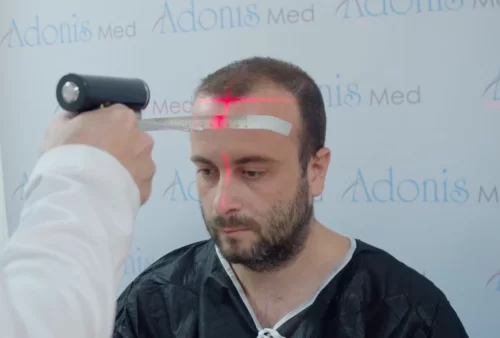
Everyone’s forehead width is different. While designing, the 7-9 cm rule (may vary from
person to person) is applied starting from the middle of the eyebrows and going
upwards. Just above the point where the forehead muscles start is the most natural
starting point.
2. "Z" Line (Irregular Line)
Nothing in nature is perfectly straight. A natural hairline does not look like it was drawn
with a ruler. Specialist doctors design an asymmetric line by creating micro-indentations
and protrusions. These small irregularities bring the greatest naturalness.
3. Use of Single Grafts
Double or triple hair follicles (grafts) should never be transplanted into the front row of
the hairline. The front line should consist of thin and single hair strands. Multi-graft
placement in the front causes the hair to look stiff and artificial.
4. Hair Exit Angle and Direction
Hair does not grow 90 degrees straight out of the scalp. Especially in the front area, hair
emerges at a certain slope and at an angle forward/sideways. It is essential that the
channels are opened by adhering to these natural angles (usually 30-45 degrees).
Age Factor in Hairline Design
An 18-year-old’s hairline cannot be the same as a 50-year-old gentleman’s. Having the
temples slightly recessed depending on age increases the credibility of the operation.
For natural hair transplant results, the patient’s future hair loss potential must also be
taken into account.
Frequently Asked Questions (FAQ)
- What happens if the hairline is too low? Transplants made on the forehead
muscles cause the hair to move with mimic movements and lead to an artificial
appearance. - Is temple transplantation necessary? If the front line is moved too far forward
and the temples are left empty, the facial balance is disrupted. For a holistic
design, temple transitions must also be planned.